Archives

5 Strategies for Optimising Outpatient Capacity

As of December 2024, Referral to Treatment (RTT) figures show that there are approximately 6.2 million patients waiting for treatment (7.4 million cases). NHS England reports that over 80% of all elective pathways conclude without patients needing hospital admission. Therefore, eliminating Outpatient backlogs is a critical enabler for NHS Trusts to achieve the targeted 72% of patients waiting no longer than 18 weeks for a first appointment by March 2026.

On a positive note, while the focus has historically been on theaters, the dial appears to be shifting. Over the last 12 months, we have seen a significant shift in energy to Outpatients improvement, demonstrating the NHS’s recognition of the pathway-wide benefits that can be achieved by optimising Outpatient processes, using patient-initiated follow-up (PIFU), and increasing remote monitoring through patient engagement portals (PEPs).

It is encouraging to see further focus on a move to handle elective care appointments via the NHS App. The target of 70% of all appointments being scheduled via the App is a significant step in modernising outpatient planning and patient communication routes.

With ongoing work through the GIRFT ‘Further Faster’ programme, options to help Trusts think differently about patient management in Outpatients are developing.

However, many of the aims and guidelines outlined in the national priorities are not new, such as enhanced Advice and Guidance implementation, 12 weekly validations for new appointments, increased usage of PIFU, and so on. While it is evident that these are the correct measures, the effectiveness of the guidance is dependent on their implementation.

How can Outpatient departments meet these targets?

The Outpatient service is vast. With so many improvement initiatives requiring distinct, speciality specific focus, making a tangible impact can feel like a mammoth and overwhelming task. However, some quick wins and important fundamentals can make a significant difference:

  1. 1: Know your capacity and demand

A robust understanding of expected demand streams and what resources you have to manage this can focus the mind on priority areas and bring everyone on the same page about the size of the gap that needs to be closed. Developing this baseline position and modelling the impact of various improvement opportunities helps teams visualise the art of the possible and think differently about the changes they could make.

  1. 2: Use what you have

Maximise the utilisation of your clinic slots. Direct your booking teams to vacant capacity ensuring the proper structures and digital tools are in place to fully re-book slots. Dig deeper into DNA rates to identify groups of patients, driving them and involve patients in solutions.

  1. 3: Maximise estate

Many clinic rooms sit unused, simply due to a lack of oversight. Implement governance processes to identify and reallocate these spaces to departments most in need.

  1. 4: Pilot new initiatives

With strong foundational practice in place, clinical and operational teams can feel confident in adopting more innovative changes to manage patients differently. Support champions to push ambition through the clinical body and demonstrate the art of the possible with well-planned pilots that can swiftly spread and scale into business-as-usual procedures.

  1. 5: Ensure the right resource is used

Empower specialist nurses, physician associates and allied health professionals to take on more responsibilities and free up consultant time for the most complex patients. You could also consider using chatbots and virtual assistants to answer common patient queries.


Although the Government has set out ambitious plans for the NHS and elective care in general, there is still a long way to go to achieve its targets. Working collaboratively, progress is being made, and its positive to see that in December alone, the NHS carried out 1.33 million treatments, up 6.5% on 1.25 million the year before.

We see on many of our programmes how hard NHS and Outpatient teams are working to care for patients and, like us, they understand that, at the end of the day, each one of the 7.4m cases is a person, not just a statistic.

Contact us to learn more about our work within Outpatients and how we can support your organisation.

Connect with Samantha Sullivan on LinkedIn.

Can NHS Trusts Meet Elective Care Targets?

Improving patient access to timely care and enhancing productivity are central to the NHS’s 2025/26 priorities and operational planning guidelines and in meeting elective care targets.

From an elective care perspective, one of the key targets is to have 65% of patients waiting no longer than 18 weeks for treatment by March 2026. We caught up with Four Eyes Insight Managing Director Lee Scothern to find out what this truly means for planned services and if it is achievable.

“Reducing the proportion of people waiting more than 52 weeks for treatment to less than 1% of the overall waiting list by March 2026, while also meeting a national objective of 65% for patients waiting no more than 18 weeks, is an ambitious but essential goal.

To improve patient care and restore public trust in our healthcare system, each trust must commit to at least a 5% improvement. Achieving this requires a slick, data-driven approach, partnered with an emphasis on collaboration across departments, NHS Trusts, and systems to enable strategic resource allocation and informed decision-making that can benefit flow and productivity.

An additional goal is to increase the percentage of patients receiving a first outpatient appointment within 18 weeks to 72% by March 2026. This objective demonstrates the NHS’s commitment to providing timely access to healthcare treatments. To make this possible, each trust must have a comprehensive understanding of clinic capacity—both slots and outpatient estate. Aligned with demand, this will help trusts understand the situation at hand and develop targeted improvement strategies to address it as part of their improvement process.

The NHS’s guidance also emphasises the adoption of emerging technologies, including AI and machine learning, to enhance patient care and operational efficiency. At Four Eyes Insight, we understand how crucial trust data is when trying to tackle the challenges of backlog clearance and optimise elective pathways. Utilising technology can help NHS Trusts to plan, align demand with capacity, highlight improvement trajectories, and achieve sustainable improvement and long-term cost savings.

Meeting these ambitious targets will require a concerted effort across trusts, underpinned by data, technology, and strategic planning. While the challenges are significant, with a structured and collaborative approach to capacity planning and process optimisation, these targets are achievable.”

Follow us on LinkedIn to learn more about how Four Eyes Insight can support NHS Trusts in making targets achievable.

What is a High-Performance List (HPL) and why is it important?

We collaborated with Prism Improvement to introduce High-Performance List (HPL) across theatre operations in an NHS Trust in the North West. What are HPLs, and why should Trusts consider implementing them for elective theatre activities?

A High-Performance List is a game-changing approach to theatre operations that emphasises rigorous preparation, teamwork, and increased resource efficiency to produce a highly productive, efficient list.

HPL is more than a plan; it represents a dedication to patient safety, excellent treatment, and achieving operational objectives that can be integrated into culture as a standard for excellence.

This handy infographic shows the benefits of HPLs:


If you’re interested in learning how High-Performance Lists can help your NHS organisation, contact us today!

How the Right Data Can Transform NHS Operations

Recently the NHS published The Insightful Provider Board. This guide helps boards analyse their information handling, leadership behaviours, and culture while providing metrics to enhance understanding of an organisation’s performance.

Focusing on the ‘Meaningful Information section, we caught up with Managing Director, Lee Scothern to find out why this guide is an important framework for NHS boards to maximise their information, become more efficient, and transform operations.

“It’s no secret that NHS boards need relevant and meaningful information to aid in decision-making, after all, data drives success and is the foundation of meaningful progress.

However, NHS boards need to measure and understand performance by using the right technology to make data collection and analysis easy, accessible and representative of reality; particularly as productivity remains a challenge for most organisations and continues to be high up on the political agenda.

Access to robust data, analytics and reporting can focus trust boards on service delivery and the impact on patients, which can help improve decision-making and efficiency.

The guide states that “reports to the board should focus on the outcomes and impact of the board’s actions to deliver change and improvement, and not just report on processes or progress made against a plan.”

Getting credible and granular data, looking at pathway-level, specialty/sub-specialty and consultant-level detail is pivotal to understanding not just where waiting list backlogs sit but how decision making will help the NHS implement changes to drive efficiency and reduce the backlogs.

What will be interesting is seeing the bigger impact this will have on NHS Boards on a wider scale. Using this data is key to driving the collaboration between NHS organisations and other providers. There needs to have clear visibility of what demand and capacity looks like across systems to drive the correct decision making at a speciality level to ensure that system wide capacity is optimised and mutual aid is embedded as business as usual.”

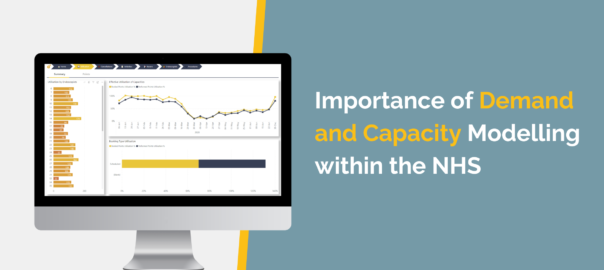
Importance of Demand and Capacity Modelling

The mismatch between demand (the number of patients needing care) and capacity (the resources available to provide care) is one of the main reasons why waiting lists grow and waiting times increase. – NHS England.

Understanding and managing NHS demand and capacity is crucial, helping to ensure that services are planned and delivered effectively, safely and to a high standard, as well as improving:

  • Patient care through ensuring they receive quality care without excessive waiting times.
  • Staff well-being – less pressure and enhanced morale – greater productivity
  • Service efficiency – improved flow across the service through the system creating improved patient and staff experience
  • System-level planning – provides complex interactions between organisations and processes at a strategic level


Pathway-wide D&C modeling

A key component to providing robust demand and capacity modelling is having the ability to model throughout the planned care pathway.

“The huge backlogs within Outpatients are a particular risk that needs to be addressed. As part of the Four Eyes Insight D&C Modelling programmes, we can get very granular – considering pathway level and consultant level details. This allows us to determine the root cause of backlogs and help NHS Trusts implement changes to reduce these waits.” Samantha Sullivan, Director, Four Eyes Insight,

Going beyond specialties, into sub-specialties, procedures and pathways is pivotal to understanding where the backlogs sit.

The Four Eyes Insight Data and Analytics team adds gravitas and robustness to existing NHS data that can be used to identify areas for improvement. Our bespoke service benchmarks Trust data and looks at the impact new initiatives will have on the organisation going forward.


Identifying the true gap between demand and capacity

Recently, Four Eyes Insight worked in collaboration with The Princess Alexandra Hospital NHS Trust to develop a thorough demand and capacity model across the ophthalmology pathway, which delivered a robust understanding of the true gap between capacity and demand at a sub-specialty level across the full patient pathway, establishing that:

  • Backlogs for theatres could be controlled in line with the national target of 85% (0.65 additional patients on the average list) and introducing 3 high-volume cataract lists per week into business-as-usual processes.
  • Improvements could be made in outpatients by increasing virtual capacity and improving productivity to 95% (booked). However, it was clear that further changes would be required to meet follow-up demand fully.

If your organisation needs support in addressing planned care backlogs, contact us and we’ll be happy to have a chat.

Endoscopy surveillance image of clinicians using an endoscope

Q&A: Why is endoscopy surveillance important?

Endoscopy surveillance is a crucial aspect of healthcare that involves monitoring patients at a higher risk of certain conditions, particularly gastrointestinal diseases.

We spoke with our resident endoscopy expert and lead JAG assessor, Debbie Johnston to find out more.


Debbie, what is the purpose of endoscopy surveillance?

Endoscopy surveillance is important for detecting abnormalities early, preventing cancer, monitoring chronic conditions, guiding treatment decisions, and improving patient outcomes and quality of life.

The primary goal of surveillance is to detect abnormalities or early signs of diseases, such as upper GI and bowel cancer, in patients who have specific risk factors. By closely monitoring high-risk individuals, healthcare providers can intervene promptly if any concerning changes are observed.

It also helps in planning appropriate treatments and interventions based on the patient’s condition.


Who Benefits from Endoscopy Surveillance?

Surveillance is essential for high-risk individuals, or patients with a history of certain conditions, for example, inflammatory bowel disease, who are at an increased risk of developing gastrointestinal cancers.

It is also key for post-treatment monitoring, as timely detection and treatment ensure that patients receive surveillance endoscopies at appropriate intervals according to national clinical guidelines

For patients, timely surveillance allows for the early detection of abnormalities and prompt intervention, particularly particularly cancer, which can improve treatment outcomes and prevent disease progression.

It is also worth noting that it benefits NHS organisations and endoscopy services to manage patients identified for surveillance efficiently this patient cohort as per agreed timelines and ensure that any overdue patients are transferred to the active waiting list promptly.


Are there any challenges that come with endoscopy surveillance?

As with all services, challenges are met, for example, balancing new referrals with planned surveillance cases can be challenging for many NHS Organisations.

It can also impact resource allocation, prioritising surveillance for high-risk patients with often limited and time-stretched resources.

We also need to ensure that patients understand the importance of surveillance by offering them educational materials and knowledgeable staff to help reduce any DNAs that may occur from people not thinking their appointments are important.

quote from Debbie Johnston about endoscopy surveillance

How can Four Eyes Insight support NHS organisations with endoscopy surveillance management?

Ensuring thorough and timely follow-up is crucial for patient care and something that Four Eyes Insight can help with, including:

  • Demand and Capacity Modelling: We can deliver clinically credible, robust, and granular D&C modelling that supports long-term planning and operational control of waits.
  • Data Analysis and Management: We can assist in analysing backlog data to identify trends, assess the impact on patient outcomes, and develop strategies for preventing future backlogs.
  • Resource Allocation: Limited resources, such as staff and equipment, can impact surveillance efficiency. We can provide support in optimising resource allocation based on patient risk stratification and procedural requirements.
  • Resource Optimisation: We can provide support on allocating resources efficiently to address the backlog, whether it involves scheduling additional clinic hours, redistributing staff responsibilities, or outsourcing certain tasks.
  • Workflow Streamlining: We can help identify bottlenecks in your surveillance workflow and suggest strategies for streamlining processes to reduce wait times and improve efficiency.
  • Quality Governance: Maintaining high-quality surveillance practices is essential for the accurate detection and monitoring of gastrointestinal conditions. We can assist by keeping you updated on best practices, guidelines, and quality indicators in endoscopy surveillance.
  • Communication: We can assist in communicating with patients to explain the importance of their surveillance appointments and encourage them to schedule follow-up visits promptly.


You mention Demand and Capacity Modelling, what is the importance of this?

Balancing demand and capacity for endoscopy surveillance is vital for providing timely, efficient, and high-quality care. It supports early detection and management of diseases, ensures optimal use of resources, and informs effective endoscopy service planning and policy making. Demand for endoscopy tests is increasing and can be influenced by various factors, including public awareness, referral practices, and changes in screening guidelines. Hospitals need to be adaptable to these changes. Understanding capacity helps in the efficient allocation of resources, including staffing, equipment, and facilities, ensuring that the endoscopy service can meet current and future demand without overburdening providers or facilities.

We already know that our NHS partners value the service that we offer. What Four Eyes Insight offers is a clinically credible, robust, and granular D&C model that supports balancing demand and capacity, reducing endoscopy backlogs.

A strong D&C model for all tests is important to patient care, ensuring they receive timely and quality care. Our modelling contributes to service planning and efficiency, and with granular data, we can really get into the nitty-gritty and identify any improvements and/or opportunities to enhance productivity and system-level planning. It’s also worth mentioning that all these elements have a strong impact on staff well-being, leading to reduced pressure and stress.


Thanks, Debbie, any final thoughts?

Yes, I always say data is king. You need to measure and understand performance before you do anything else. So, ditch the spreadsheets and get the right technology in place to make data collection and analysis easy and accessible.

If you’d like to hear how we can help your endoscopy service, contact us today.

Connect with Debbie on LinkedIn:  Debbie Johnston | LinkedIn

Transforming planned care

Transforming Planned Care

Transforming planned care for the NHS is something we are passionate about.

As the NHS continues to revise national forecasts and update targets, eliminating long waits and prioritising cancer pathways remain a focus.

The transformation of planned care and clinical services needs to be ambitious, with higher expectations of delivery and a focus on creating a sustainable service that will meet targets.

Our philosophy is to use small teams of highly experienced operational and improvement specialists, with a track record working for and in the NHS, to support your teams and give them the capacity to improve and deliver core services to patients.

Download our Transforming Planned Care brochure to learn more about what we do and how we can support the NHS >>

Transforming planned care

Programmes that support planned care and the patient pathway

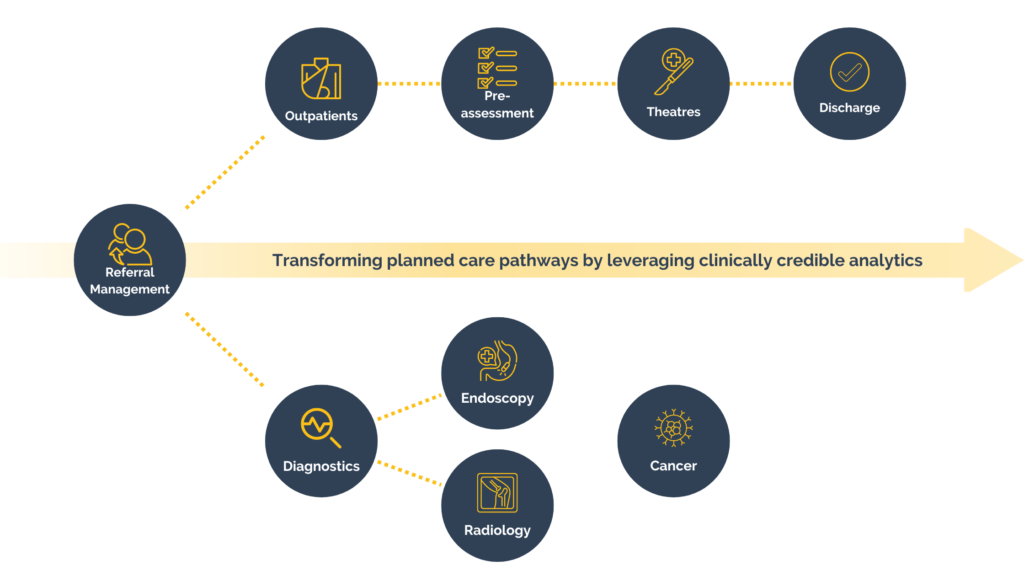
Working across the full planned care pathway our mission is to target clinical optimisation that delivers local priorities:

We have vast experience in delivering national and regional large-scale programmes, working partnership with NHS organisations systems across the country, Four Eyes Insight team has delivered a significant impact, including:

Click here to download our brochure to learn more.

Patient Focus and health inequalities Walsall Healthcare NHS Trust

A Patient Focus: Walsall Healthcare NHS Trust

“Our Trust serves a population in the most deprived decile of the country. Whilst of course reducing Did Not Attend rates and increasing Clinic Booking Utilisation rates are about improving productivity, at its heart they are also about reducing the health inequalities that many members of our community experience.” Ned Hobbs, Chief Operating Officer & Deputy Chief Executive Officer at WHNT    

Following on from our previous blog on Understanding the Impact of Health Inequalities in the UK, this article looks at the links between socio-economic status and DNAs, how they impacted Walsall Healthcare NHS Trust (WHNT) and how a patient focus approach was key to addressing issues.

A crucial part of our Outpatient Improvement Programme with WHNT was addressing health inequalities among patients in the region, improving access, and reducing safety risks associated with long waits. To learn more about the full programme of work we undertook at WHNT, click here to read the case study. 

Links between socio-economic status and DNAs indicate a higher likelihood of DNA where the patient is from an area of high deprivation. The scale of the problem is vast, nationally, in 2021-2022 there were an average of 650,000 DNAs per month, each reported to cost £120, totalling £936,000,000 for the year.  

In WHNT over 44,000 DNAs were recorded in 2020-2021, straining healthcare resources, leading to inefficiencies in clinic utilisation and delaying care for patients. The patient population served by the Trust is characterised by its diversity in terms of socio-economic status, introducing unique challenges related to digital disparities, language barriers, and financial constraints.  


A Tailored Approach to Healthcare Access 

The Four Eyes Insight (FEI) programme needed to address the challenge of digital inclusion, ensuring that solutions considered the nuances of the diverse patient population. While digital solutions offer benefits, they could inadvertently exclude individuals lacking access to or proficiency with technology.  The programme aimed for a dynamic approach that addressed the unique needs of patients who might face ‘digital exclusion.’   

In order to maximise clinic utilisation and operational efficiency, innovative solutions to the problem of last-minute appointments and cancellations were required, while engaging patients effectively and ensuring they were informed about their appointments and healthcare options was essential. 


Patient Focus and Engagement 

“The importance of access to healthcare appointments has never been as relevant. Ensuring the barriers to attending hospital appointments by listening, hearing, and understanding the patient’s voice is crucial to preventing DNAs and reducing health inequality. FEI acknowledged this and supported patient involvement in the task and finish group so that the intended outcomes had the patient at the forefront.” Garry Perry, Associate Director of Patient Relations and Experience at WHNT.   


Collaboration with patients and end users was prioritised throughout the process to ensure that the implemented changes were sustainable. 

The importance of patient involvement was recognised and several key strategies were employed to ensure the patient views were considered in all interventions. Patient involvement included:  

  • Patient Focus Groups: The partnership facilitated patient focus groups in the community to gather insights into patients’ challenges related to appointment attendance. These sessions ensured that patients’ voices were heard, and their perspectives considered in designing solutions.  
  • Surveys and Feedback: Surveys and feedback mechanisms were introduced to capture patient experiences and reasons for missed appointments. This feedback was integral in shaping the programme’s approach.  
  • Pilot of Transport Changes: Recognising that patient experience extends beyond the clinical encounter, the partnership piloted transport changes aimed at improving accessibility and convenience for patients. The pilot prompted the Trust to actively promote the range of reimbursements and support options available to patients, particularly concerning transport costs.  

These insights served as guiding principles, ensuring that the programme was finely tuned to address patient needs and concerns, ultimately resulting in improved patient experiences.  

“Working in collaboration with WHNT on the outpatient services programme was a genuine partnership. It was truly inspiring to see how this joint effort enhanced patient care and streamlined clinic operations. Together, we made a meaningful contribution to improving healthcare accessibility, and I’m proud to have played a role in this journey.” Gurpreet Rai, Consultant, FEI.  


Improving DNA rates by addressing health inequalities 

Actions were taken to improve the DNA rate, focused on process change that ensured hard-to-reach patient groups that may experience health inequalities were not disadvantaged, including: 

  • Appointment Reminders: rolled out to over 200 previously excluded clinics, voice reminders were introduced for patients without mobile phones and efforts were made to provide reminders in multiple languages.   
  • Transport Support: Following a pilot project assessing the impact of offering free transport options to patients, a streamlined process for claiming travel costs was introduced. Patients could now be reimbursed on the day of the appointment, eliminating the need for lengthy processing. Information sheets explaining the process and eligibility were included with appointment letters, resulting in increased financial support uptake and reduced DNA rates.   
  • Letter Enhancement: Letter language was simplified, and patients were encouraged to check in at the outpatient reception desk to receive directions. 
  • Webpage Translation: A dedicated webpage was created to translate appointment reminders into different languages, ensuring inclusivity for patients with diverse linguistic backgrounds and enabling automatic translation during phone calls with hospital staff. 
  • Bespoke Processes: Specialty operational and clinical leads collaborated to develop targeted approaches where DNA rates were high. Examples include overbooking slots in some clinics, implementing Patient Initiated Follow-Ups (PIFU), and using bespoke text messages to address specific challenges in various specialties. 
  • Validation Initiatives: Validation exercises initiated in specific specialties, such as Gynaecology, Trauma and Orthopaedics, expanded across the Trust. FEI drafted Standard Operating Procedures (SOPs) which the Trust rolled out across specialties.  

An average decrease of 52 DNAs per week was achieved (19/06/23 – 13/08/23) compared to the same period in 2022. Annually, this will equate to more than 2600 patients who will now be seen who would previously have missed their appointment.  

To learn more about how Four Eyes Insight can help your Trust improve DNA rates by addressing health inequalities, contact us today to arrange a call with Outpatient Subject Matter Expert and Delivery Director, Samantha Sullivan.  

Connect with Samantha on LinkedIn.

Prioritising NHS Management Training

Prioritising NHS Management Training

“We should have high expectations of our leaders, but I think if we are going to have high expectations, we have to bake in an expectation that there will be ongoing training, there will be ongoing development, that it will be high quality, that it will be assessed, and that it will give people the skills that they need to do these jobs.” Amanda Pritchard.

To preserve high standards of care quality and guarantee the security of those providing and receiving care, training is crucial for NHS managers, as it:

  • Equips them with the necessary knowledge, skills, and tools to effectively carry out their roles in a complex and dynamic healthcare environment.
  • Provides a deep understanding of healthcare systems, policies, and procedures.
  • Helps them stay updated on the latest developments in the healthcare sector, including medical advancements, regulatory changes, and best practices.


Arguing that introducing statutory regulation would improve the development of managers, Amanda Pritchard highlighted that this work should become a priority in order to continue to attract a high calibre of leaders into the NHS.


NHS management training to improve patient safety

Investing in management training will aim to set standards and hold those accountable if and when dangerous circumstances arise.

By giving priority to an NHS management training programme that is centred around the patient, risks to patients can be mitigated, resulting in an enhanced and safer experience for them. By integrating components such as efficiently communicating with their teams and effectively managing individuals with behavioural challenges, managers can actively pursue organisational objectives while ensuring the preservation of patient safety.


How can Four Eyes Insight help NHS managers?

Our experienced, expert staff design and deliver training for NHS management teams to achieve optimal performance. Our training approach moves through a cycle of designing and delivering bespoke training for management, clinical services and teams with e-sessions, expert speakers and a blended approach of face-to-face and self-paced online learning sessions.

Our training packages aim to support our colleagues in the NHS with improvements and efficiencies, ensuring they can create a sustainable service for the organisation and, most importantly, patients.

We also offer Admin and Clerical Modules to support Band 3 – 5 staff with core skills to deliver their roles. All of our training can be customised to cater to your specific needs.

If you would like to learn more about our NHS management training modules, please contact us today.

Health inequalities in the UK

Understanding the Impact of Health Inequalities in the UK

What Are Health Inequalities?


Health is a fundamental human right, yet not everybody in the UK has equal access to it. In this latest blog post, we delve into the complex issue of health inequalities in the UK, examining their causes, impacts, measurement, and strategies for combating them.

Health inequalities refer to the systematic differences in health between different groups within a population. These differences are often unjust and avoidable, stemming from social, economic, and environmental disparities. In the UK, these disparities have a profound impact on healthcare and health outcomes.

What Causes Health Inequalities?

There are many drivers that contribute to health inequalities in the UK, with four of the main factors highlighted in the graphic below.

domains of health inequalities in the UK


Socio-economic deprivation

One of the primary drivers is socioeconomic status. Individuals from lower-income backgrounds often face barriers to accessing healthcare, including financial constraints, limited education, and inadequate housing, all of which affect their health outcomes.

In addition, education plays a crucial role as limited access to quality education can lead to poor health literacy, making it harder for individuals to make informed health decisions and access healthcare services effectively.

Unemployment or precarious employment is also a contributor to stress, financial instability, and, consequently, poorer health.

Equality and diversity

Health inequalities are also associated with ethnicity as minority groups may experience discrimination within the healthcare system, leading to disparities in health outcomes.

Inclusion health

Vulnerable or inclusion health groups – for example, migrants, Traveller communities, and people experiencing homelessness may not have easy access to healthcare.

Geography

Geographical location matters. People living in deprived areas often have reduced access to healthcare facilities and face environmental challenges like pollution and limited green spaces, impacting their overall health.


The Impact of Health Inequalities on Healthcare and Health Outcomes

Health inequalities have far-reaching consequences, not only for individuals but also for healthcare systems:

  • The strain on healthcare resources: the unequal distribution of health resources places additional strain on healthcare services. Areas with high health inequalities often require more healthcare interventions, leading to resource disparities.
  • Increased healthcare costs: Health inequalities result in higher healthcare costs as individuals with poorer health may require more extensive and expensive treatment.
  • Reduced life expectancy: Those in disadvantaged groups generally have shorter life expectancies, leading to a decrease in overall population health.
  • Lower quality of life: Health inequalities diminish the quality of life for those affected, limiting their opportunities for personal and professional growth.


Progress and looking forward

It would be amiss when covering health inequalities, not to mention the Marmot Review. Published in 2010 and updated in 2020, the review has been a seminal document in the UK’s efforts to tackle health inequalities that emphasizes the importance of addressing the social determinants of health, such as income, education, and employment, in reducing disparities. It also calls for action at local, national, and international levels to create a fairer and healthier society.

Significant progress has been made through a range of initiatives and interventions, including reducing the prevalence of smoking, reducing teenage pregnancies, and improving cancer survivorship rates, to name a few. Despite this, there remain many complex challenges to overcome, not least the gap in healthy life expectancy between those living in the most deprived areas when compared to those living in the least deprived areas, which can be as much as 19 years.

Reducing health inequalities in the UK is a complex and ongoing challenge that requires a concerted effort from various sectors. The government, healthcare providers, local authorities, and community organizations must collaborate to implement policies and interventions that address the multifaceted nature of these disparities. By focusing on socioeconomic factors such as ethnicity, geography, gender, age, disability, and digital literacy, we can work towards a healthier and more equitable future for all residents of the UK.

Addressing health inequalities in the UK is not only a matter of social justice but also a crucial step in improving overall public health. By acknowledging and understanding the factors that contribute to these disparities and implementing evidence-based strategies, we can pave the way for a healthier and fairer society. It is a challenge that requires sustained commitment and collaboration, but the benefits of reducing health inequalities are immeasurable in terms of improved well-being and quality of life for all.

—

Further reading